
Intro
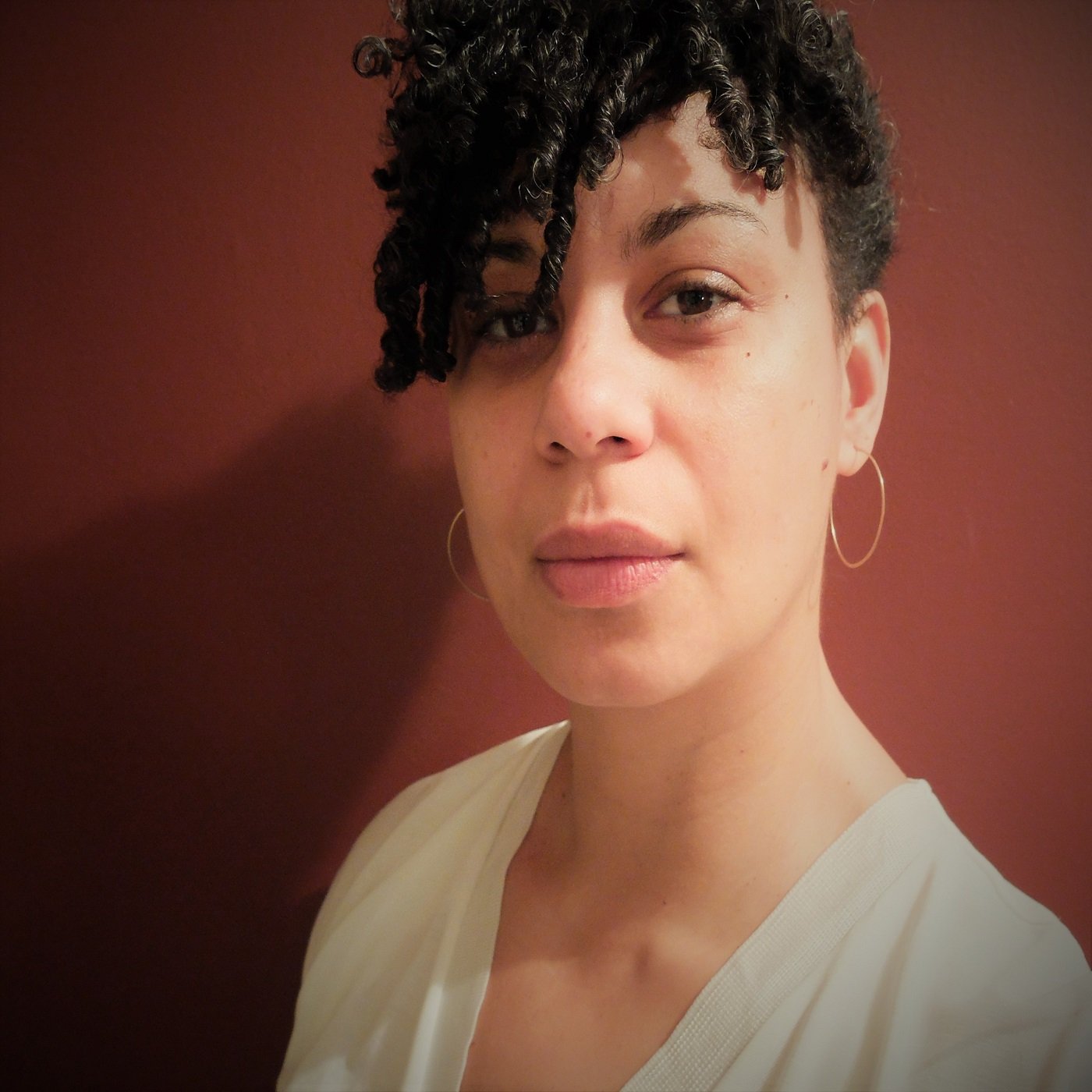
In this interview between Aruna Srivastava and Cecily Nicholson, the two discuss how communities of artists and activists work through priorities of understanding, activism, and relationship building throughout cultural crises like the COVID-19 pandemic, and cultural (and community) shifts in the urgent, continuous work of anti-racism. Nicholson provides a stunning reading from the forthcoming poetry book Harrowings, with a detailed and thought-provoking discussion on land, farming, and how space and place empower self-reflection in Nicholson’s writerly practice.BIOS
Cecily Nicholson volunteers with communities impacted by carcerality and works in gallery education. She is the author of Triage; From the Poplars, winner of the Dorothy Livesay Poetry Prize; and Wayside Sang, which won the Governor General's award for English-language poetry. Cecily was the 2021 Writer-in-Residence for the University of Windsor. Aruna Srivastava has spent many years working as an anti-racism educator in various community-based, arts, and academic contexts, focused in more recent years on the complexities and intersections of disability, illness, age, and trauma in this work. As a racialized arrivant/settler, who has been a guest in many Indigenous lands across the world, she has found a home for quite some time here in what the Blackfoot called Moh’kins’tsis in Treaty 7 territory. Aruna has in the past twenty years or so also been on a journey to work in alliance with Indigenous peoples; this has shown her better and wiser ways to work both within and against colonial structures, such as universities, arts institutions, and non-profit organizations. The work of (re)conciliation engages her specifically in that it requires storying and storing or archiving memory in many forms – and repudiates forgetting.References
04:20 – Intersections in community, with reference to their colleague Ashok Mathur 05:00 – Reference to Nicholson’s poetry books, including Triage, From the Poplars, and Wayside Sang 06:20 – Discussion around the cultural crises throughout the pandemic, changing restrictions, and Albertan politics during the Calgary Stampede 12:40 – The forthcoming book Harrowings (Talonbooks, June 2022) – its origins and the difficulties in creating it 13:35 – Emma’s Acres, an agricultural enterprise that employs survivors/victims, ex-offenders, and offenders 16:55 – Forms of grieving - childhood, loss, personal rights, strained connections, death 22:25 – How Nicholson’s work engages forms of understanding, activism, and relationship building 29:40 – Nicholson reads from Harrowings 39:10 – Discussion around the poetry reading 42:15 – Meaningful reading practice and reference to Denise Ferreira da Silva 45:25 – Traversing land and the teachings, with reference to the lessons of land and Leanne Betasamosake Simpson 49:10 – Reference to Primary Colours 49:50 – Lillian Allen: grassroots artist, cultural activist, and professor of creative writing at Ontario College of Art and Design. Allen is considered a godmother of rap/hiphop, dub, and spoken word poetry. 53:15 – Ways the “archive” works to generate certain narratives 54:20 – The fetishization of Black culture and responsibility among communities of activism
TIA House is run by Larissa Lai, Shuyin Yu, Ryan Stearne, Shazia Ramji, Marc Lynch, Paul Meunier, and Mahmoud Ababneh.
Our Intro/Outro music is Monarch of the Streets by Loyalty Freak Music, accessed from the Free Music Archive.